
Invoices are essential for businesses in Australia. They serve as formal requests for payment and are crucial for financial management.
Understanding the structure and requirements of invoices can help businesses operate smoothly. In Australia, invoices must include specific details to comply with regulations. If you're looking for an example of invoice Australia formats and standards, this overview will point you in the right direction.
This guide will explore the key components of Australian invoices. We'll also discuss how to create invoices using various tools and software.
Whether you're a small business owner or a freelancer, mastering invoicing is vital. It ensures timely payments and helps maintain a professional image.
Join us as we delve into the world of invoices from an Australian perspective.
What Is an Invoice and Why Is It Important?
An invoice is a crucial document used by businesses. It serves as a formal request for payment from clients for goods or services provided.
Invoices provide clarity in financial transactions. They outline what was purchased and the amount due. This helps prevent payment disputes.
Key reasons why invoices are important include:
- Record-keeping: They provide a clear history of all business transactions.
- Cash Flow Management: Ensuring timely payments aids in better financial planning.
- Legal Protection: They serve as evidence in case of disputes over payment terms.
Invoices also help in maintaining professionalism. A well-structured invoice reflects the business's attention to detail and commitment to quality service.
In Australia, invoices must meet specific requirements set by the Australian Taxation Office (ATO). Compliance with these regulations is essential for legal and financial reasons.
Understanding their importance helps businesses maintain healthy financial practices.
Key Components of an Australian Invoice
An Australian invoice needs certain components to be valid and effective. These components ensure compliance with legal standards and facilitate smooth transactions.
Firstly, invoices must include the seller's identity. This generally means the business name and contact details. It ensures the client knows exactly who they are dealing with.
Next, the buyer's identity is crucial. This includes the client's full name or business name and contact information. Accurate details prevent payment delays and disputes.
Another essential component is a description of the goods or services provided. This should be concise yet detailed enough for clear understanding. Each item should have its quantity and price listed individually.
Here are key components an Australian invoice should include:
- Seller's identity and contact details
- Buyer's identity and contact details
- Australian Business Number (ABN)
- Description of goods or services
- Total amount payable, including GST if applicable
- Payment terms and conditions
Invoices should also display an invoice number and issue date. These details aid in efficient record-keeping and tracking.
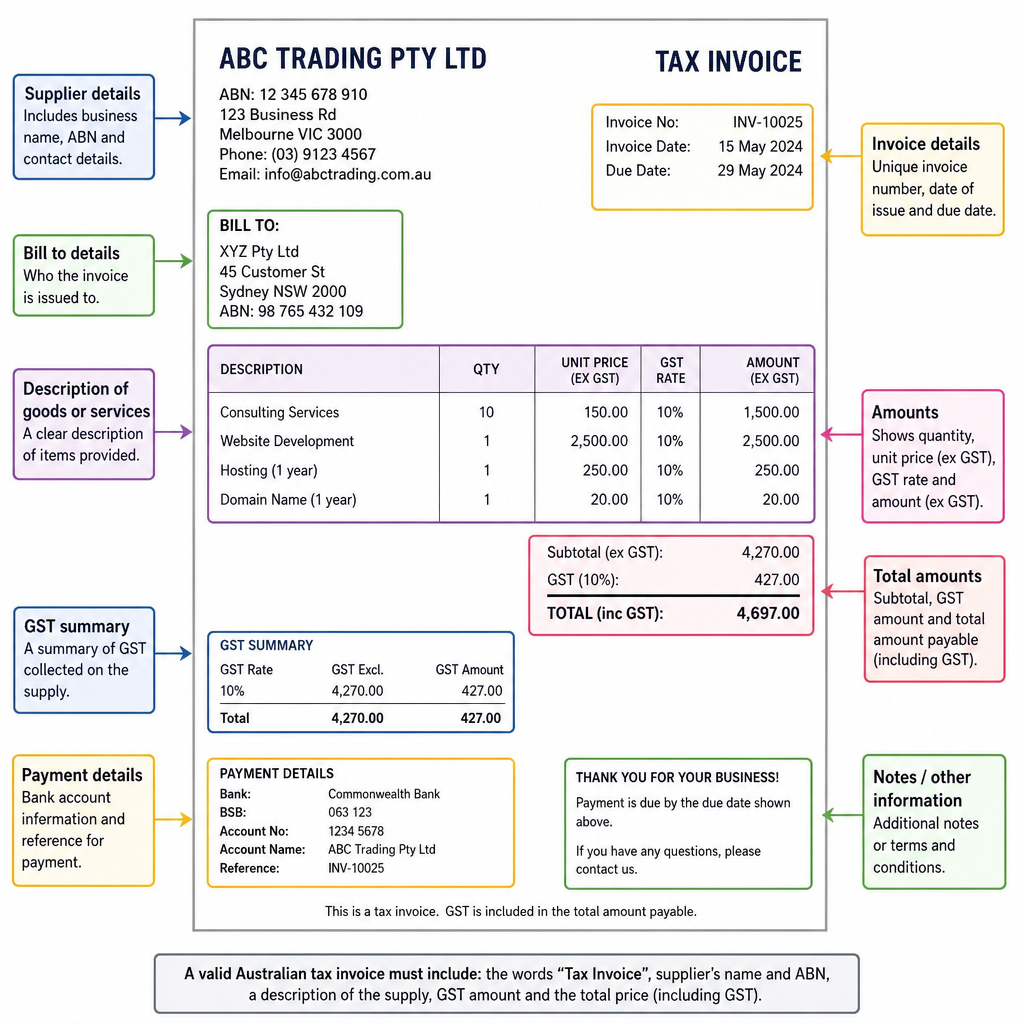
Finally, the inclusion of payment terms is vital. It sets clear expectations, outlining when and how payment should be made.
Types of Invoices in Australia
Invoices in Australia come in various forms, each serving a specific purpose. Understanding these types can help businesses choose the most appropriate one.
The most common type is the standard invoice, used for regular billing. It includes the basic elements required for payment processing.
Another important type is the tax invoice, necessary for transactions involving GST. This invoice includes the Australian Business Number (ABN) and GST amount.
Pro forma invoices are preliminary bills of sale sent before goods are shipped. They provide an estimate but are not final.
Here are the main types of invoices used in Australia:
- Standard Invoice
- Tax Invoice
- Pro Forma Invoice
- Recurring Invoice
- Credit Invoice
Recurring invoices are great for businesses with subscription services or regular billing cycles. They automate the invoicing process for efficiency.
Lastly, credit invoices are issued for returns or refunds, adjusting the amount due. Understanding these can enhance billing accuracy.
Tax Invoices and GST Requirements
Tax invoices are crucial in Australia for transactions involving the Goods and Services Tax (GST). They ensure compliance and facilitate GST credit claims.
To qualify as a tax invoice, several elements must be included. Firstly, it must contain the seller's Australian Business Number (ABN). Without this, GST credits cannot be claimed.
The tax invoice should clearly state the GST amount. If the price is inclusive of GST, this must be made evident. The total price, including and excluding GST, should be displayed.
Key components of a tax invoice include:
- Seller's ABN
- GST amount or "Price includes GST" statement
- Date of issue
- Detailed description of items or services
It's important to note that tax invoices are mandatory for transactions above $82.50 (including GST). Proper documentation can streamline tax reporting and auditing processes.
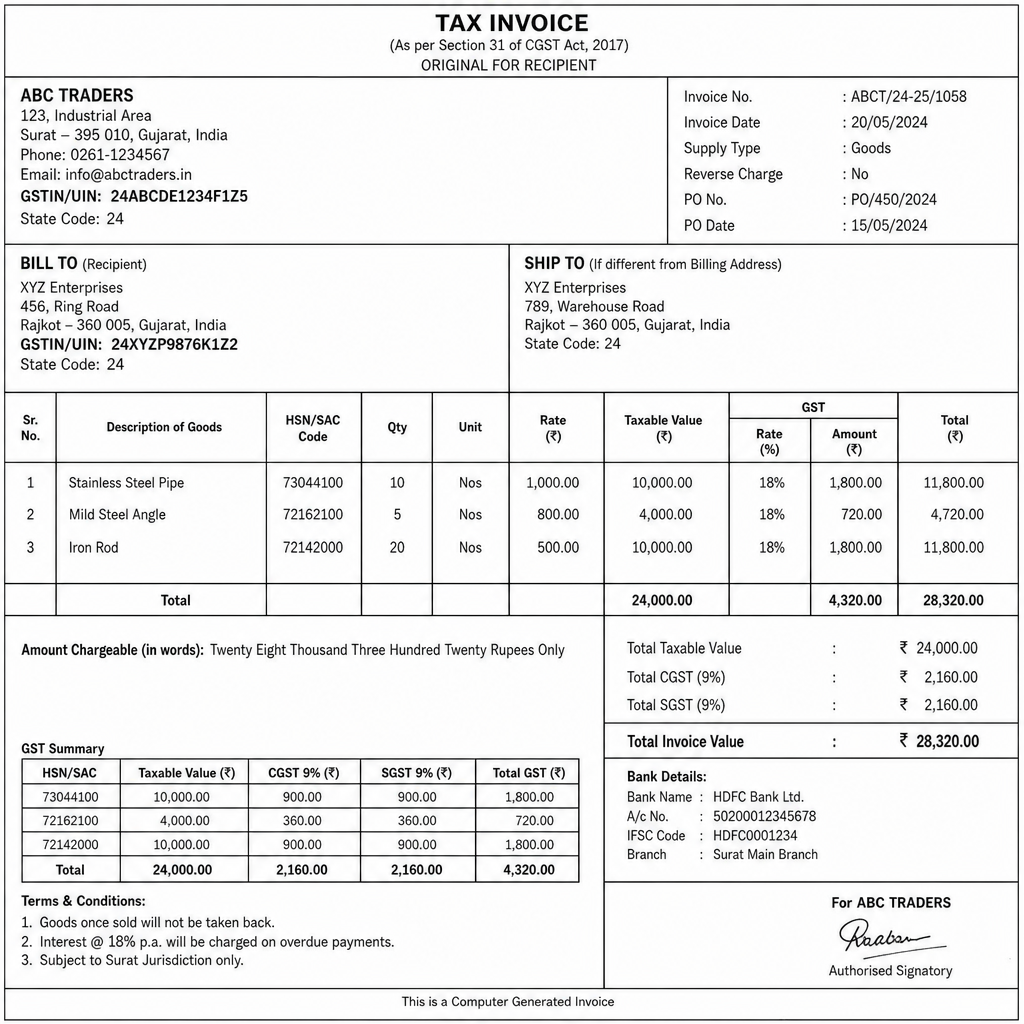
Staying informed of GST requirements ensures seamless business operations and financial accuracy.
Example of Invoice Australia: Sample Templates
Creating a professional invoice doesn't have to be complex. Sample templates can simplify the process.
Australian invoice templates typically contain all essential elements. These include seller and buyer details, a list of items, and the payment amount. This streamlines communication and ensures clarity.
Using a template helps maintain consistency. It saves time and ensures compliance with Australian regulations. You don't need to reinvent the wheel each time.
Here are common elements found in Australian invoice templates:
- Seller and buyer identities
- Description of goods/services
- Total amount payable and due date
- Payment terms and conditions
With templates, you can focus on your business. Less time is spent worrying about invoicing errors. Most templates are customizable to suit your brand. These serve as a practical reference for "invoice Australia" compliance across industries.
 by Heather Green (https://unsplash.com/@heathergreengreen)
If you're new to invoicing, start with free online templates. They offer a straightforward way to get accustomed to the essentials.
Utilizing templates can enhance your business's professional image. They provide a structure that is both user-friendly and effective.
How to Create an Invoice: Step-by-Step Guide
Creating an invoice doesn't need to be daunting. With a few simple steps, you can issue professional invoices efficiently. If you're searching "how to generate invoice" or quick ways to create invoice documents, the steps below will help you create invoice files with confidence.
First, gather all necessary details. These include your business information, client's details, and the items or services sold. Accurate data is key to a valid invoice.
Start with a template or blank document. Ensure it includes spaces for critical fields like ABN, itemized list, and total amount. Keeping a consistent format helps maintain professionalism.
Use an invoice generator free software for convenience. These tools automate much of the process. They often include automatic calculations and error checking.
Here's a basic step-by-step guide:
- Enter your business name and logo.
- Add client's details and contact information.
- List goods/services with prices.
- Include any taxes and the total amount.
- State payment terms and due date.
Finalize your invoice by reviewing it for accuracy. This prevents disputes or delays.
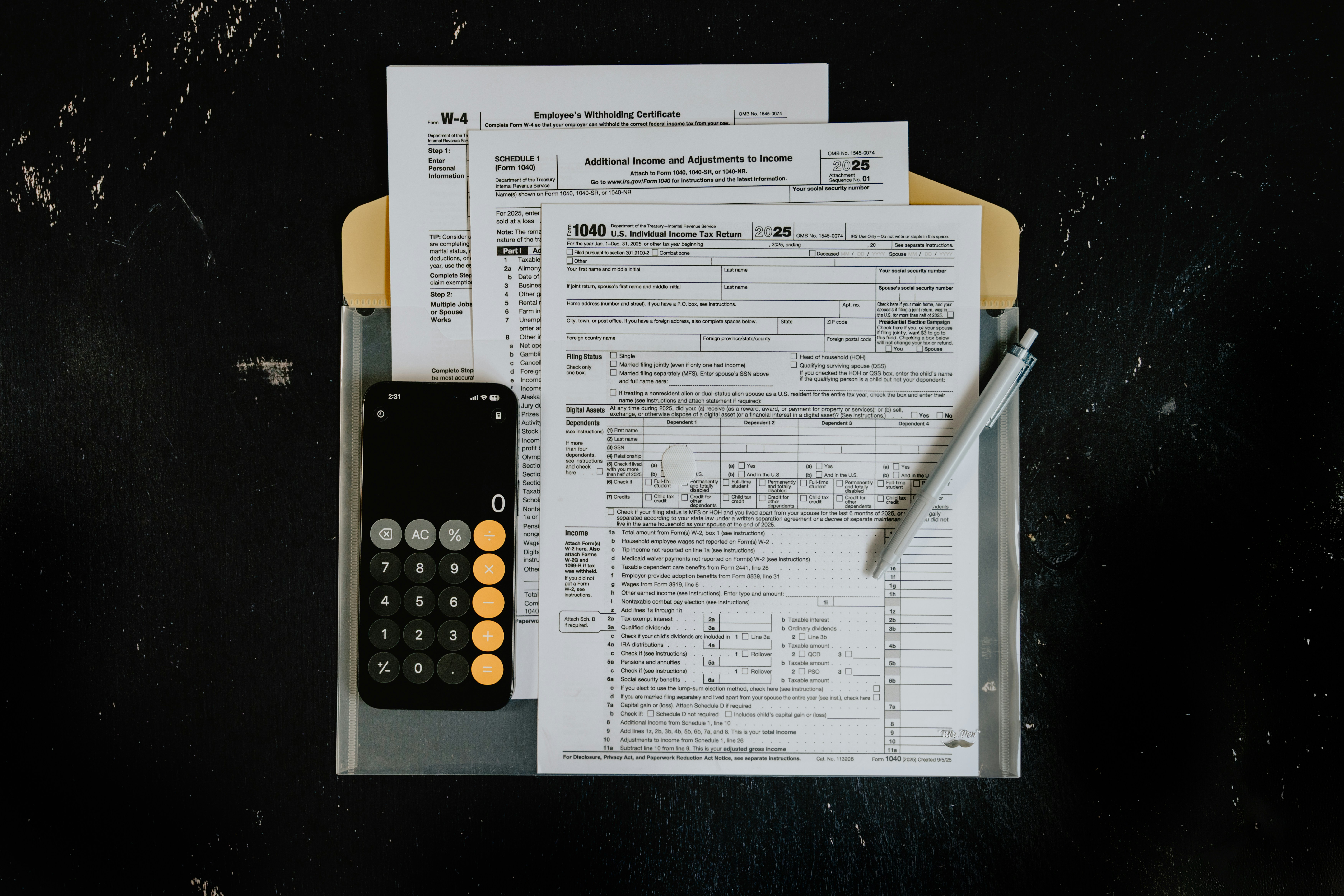 by Kelly Sikkema (https://unsplash.com/@kellysikkema)
Finally, save and send your invoice promptly. Timely delivery aids in faster payment cycles. Keep a record for future reference and accounting purposes.
Using Invoice Generator Free Software and Online Tools
Invoice generator free software offers a world of convenience. These tools simplify the invoicing process for small businesses. Many businesses prefer a free invoice maker to get started quickly; consider an invoice generator with logo support for consistent branding.
With a few clicks, you can create polished invoices. This saves time and reduces manual errors. Many software options provide easy-to-use templates.
Online tools offer flexibility. Access your invoices from anywhere with an internet connection. This is especially beneficial for businesses on the go.
Key features you might find include:
- Automatic calculations and error checks
- Customizable templates for brand consistency
- Integration with accounting systems
- Multi-currency support for international clients
 by Brian Abuga (https://unsplash.com/@brianabuga)
Choose a tool that fits your business needs. Consider features like logo integration and reporting capabilities. Many offer trial versions, allowing you to explore their utility without commitment. An invoice builder online can truly transform your business workflow.
Customizing Your Invoice: Logos, Branding, and More
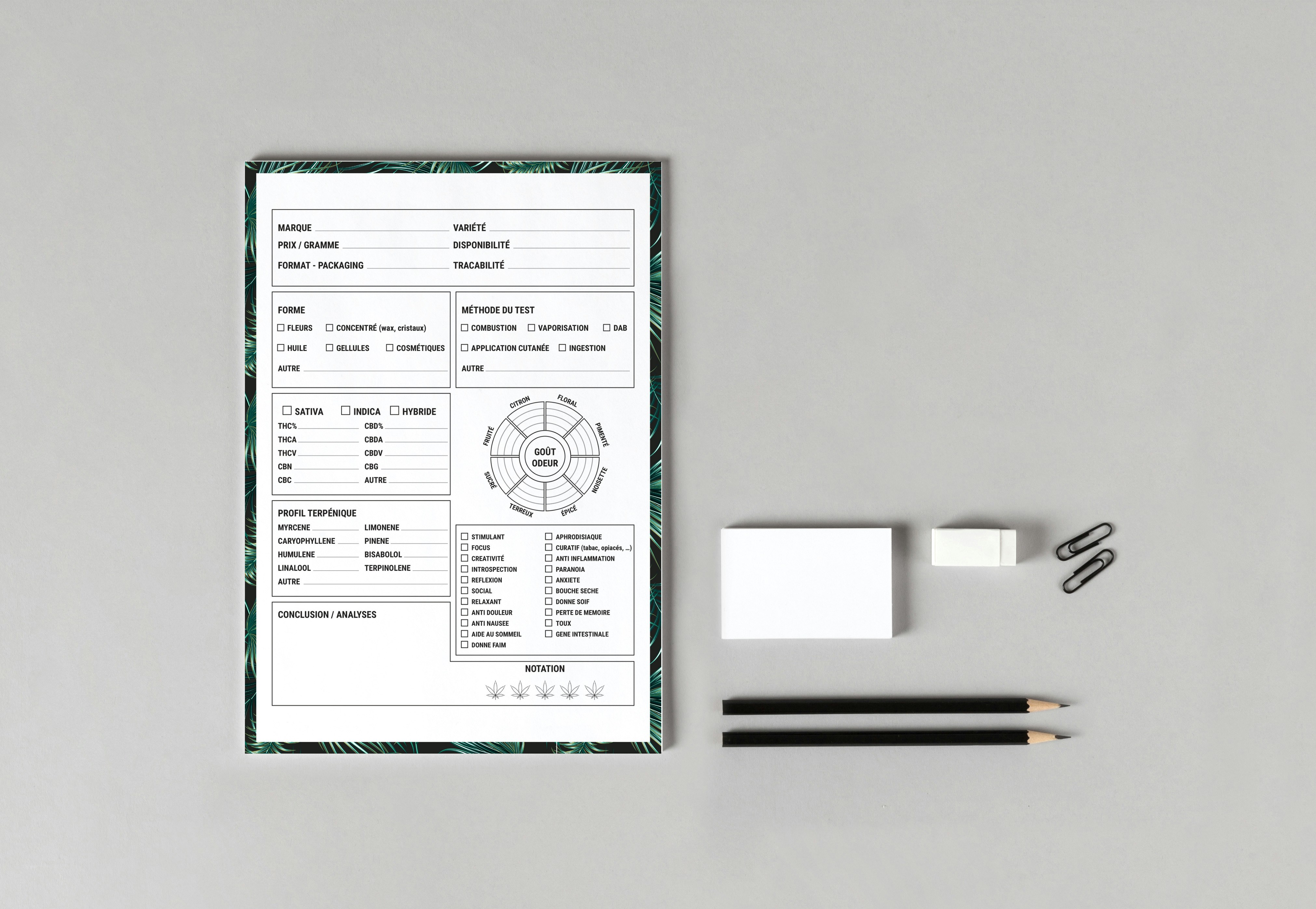
Customizing invoices is not just about aesthetics. It's about reinforcing your brand identity and professionalism. A well-branded invoice can leave a lasting impression on clients.
Adding your logo and brand colors gives a personal touch. This helps in creating visual consistency across all communication channels. Clients recognize your business at a glance.
 by Testeur de CBD (https://unsplash.com/@testeurdecbd)
Consider adding custom fields to highlight key details. This can include special notes or terms.
Customization options may include:
- Logo and brand colors
- Personalized messages or greetings
- Custom fields for discounts or offers
Invest in invoice customization. It shows attention to detail and enhances your business's image. Tailored invoices, combined with a good layout, encourage prompt payments and foster trust with clients.
Best Practices for Sending and Managing Invoices
Sending invoices promptly is crucial for maintaining cash flow. Issue invoices immediately after goods are delivered or services completed. This helps clients prioritize payment.
Ensure invoices are clear and easy to understand. Complex language or overcrowded layout can cause confusion. Opt for a simple, professional layout for clarity.
Regularly follow up on unpaid invoices. A gentle reminder can encourage timely payments and maintain good client relations.
Here are a few best practices:
- Send invoices immediately after delivery
- Use clear and concise language
- Follow up on overdue invoices
Managing invoices efficiently includes keeping thorough records. This not only aids in tracking payments but also simplifies tax reporting and financial analysis. Organizing invoices systematically minimizes errors and ensures you are always ready for audits.
Frequently Asked Questions About Invoices in Australia
What Must Be Included in an Australian Invoice?
An Australian invoice must include the seller's and buyer's identities. A detailed description of goods or services is also necessary. It's important to specify the total amount payable.
When Should Tax Invoices Be Used?
Tax invoices are necessary for businesses registered for GST. They allow clients to claim GST credits. Ensure your invoice includes an Australian Business Number (ABN).
Are Digital Invoices Accepted?
Yes, digital invoices are widely accepted in Australia. They are efficient, environmentally friendly, and can simplify management.
How Can I Avoid Payment Delays?
To avoid payment delays, clearly state payment terms and due dates. It's also beneficial to communicate with clients if any issues arise.
Conclusion: Streamlining Your Invoicing Process
Invoicing is a critical element of business operations. By using the right tools and practices, it can become much simpler. Free software and online generators can save time and reduce errors.
Customizing your invoices enhances your brand's professional image. Including logos and tailored templates helps convey your unique business identity. Always ensure your invoice complies with Australian standards and legal requirements.
Consistent and clear invoices can lead to timely payments. This improves cash flow and enhances client relationships. By refining your invoicing process, your business can operate more efficiently and effectively.
Q&A
Question: What’s the difference between a standard invoice, a tax invoice, and other invoice types in Australia?
Short answer: A standard invoice is used for regular billing and includes the basics needed for payment. A tax invoice is required when GST applies; it must include the seller’s ABN and clearly show GST (or state that prices include GST). Pro forma invoices are preliminary estimates sent before goods ship and aren’t final bills. Recurring invoices automate repeat billing for subscriptions or ongoing services. Credit invoices are issued to adjust, refund, or reverse charges.
Question: What details must an Australian invoice include to be compliant?
Short answer: Include the seller’s identity and contact details, the buyer’s identity and contact details, your Australian Business Number (ABN), a clear description of goods or services (with quantities and unit prices), the total amount payable (showing GST if applicable), payment terms and conditions, plus an invoice number and the issue date for tracking and records.
Question: When do I need to issue a tax invoice, and how should GST be shown?
Short answer: Issue a tax invoice for transactions involving GST, especially where the amount is above $82.50 (including GST) to enable GST credit claims. It must show the seller’s ABN, the GST amount or a clear “Price includes GST” statement, and display totals including and excluding GST, along with the date of issue and item descriptions.
Question: How do templates and invoice generators make invoicing easier?
Short answer: Templates provide a ready-made, compliant structure (seller/buyer details, item list, totals, payment terms), ensuring consistency and saving time. Invoice generator tools add automation—automatic calculations and error checks, customizable templates with logo/branding, accounting integrations, reporting, and multi-currency support—accessible online from anywhere.
Question: What are best practices for sending and managing invoices to get paid on time?
Short answer: Send invoices immediately after delivering goods or completing services. Use a simple, professional layout with clear payment terms and a due date. Follow up on overdue invoices with friendly reminders. Keep organized records for tracking, tax reporting, and audits. Digital invoices are widely accepted and can streamline your workflow.