
Every great entrepreneur knows that a brilliant idea is only the beginning of a successful enterprise. When researching how to start a business, business owners often pour their energy into product development, branding, and marketing. Many people even follow a 'how to start a business business' checklist, yet overlook the financial side that truly determines staying power. However, long-term survival and scalable success hinge entirely on a solid grasp of numbers.
Consider this your comprehensive business finance guide. Whether you are a solo founder or leading an expanding team, mastering your money is non-negotiable. Below, we break down actionable, expert-backed strategies to help you safeguard your company's fiscal health, secure funding, and drive sustainable growth.

Laying the Groundwork: Financial Planning and Budgeting
Robust financial planning is the roadmap that guides your company from its current state to its future goals. Without it, you are flying blind.
Building Your Financial Foundation
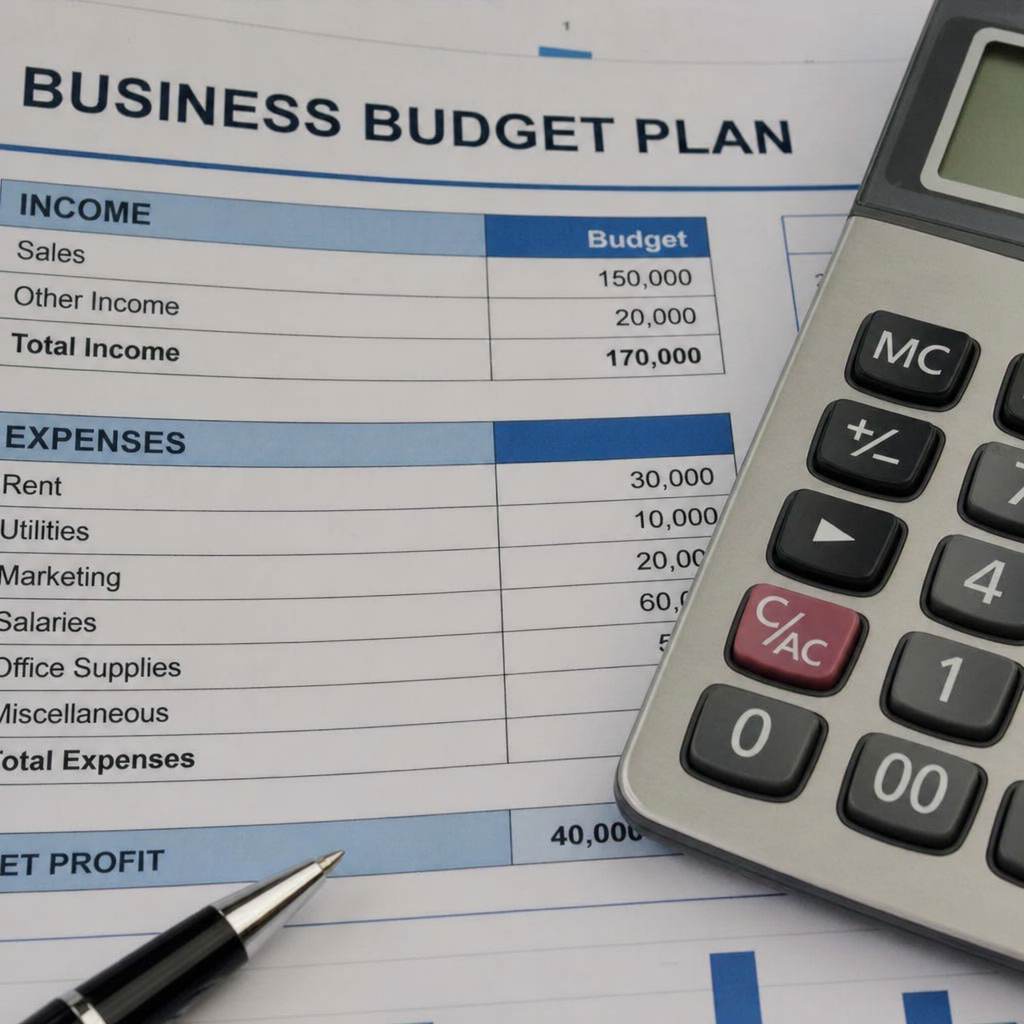
The cornerstone of any profitable venture is a realistic budget. If you are unsure how to create a business budget from scratch, follow a simple, phased approach:
- Identify Fixed Costs: These are expenses that stay the same regardless of sales volume, such as rent, insurance, and salaried payroll.
- Estimate Variable Costs: These fluctuate with your sales, like raw materials, shipping, and sales commissions.
- Project Revenue: Use market research or historical data to estimate your monthly income.
- Build a Buffer: Always include a contingency fund for unexpected expenses.
Alongside budgeting, meticulous expense tracking is vital. Co-mingling personal and business expenses is a common trap for new founders. Open a dedicated business bank account immediately and use corporate cards to track every cent.
Mastering the Financial Statements
You cannot manage what you do not measure. A major part of developing your financial literacy involves understanding balance sheets and income statements.
- The Income Statement (Profit and Loss): This document shows your revenues and expenses over a specific period. It tells you whether you are actually making money.
- The Balance Sheet: This provides a snapshot of your company's financial standing at a single moment in time. It details what you own (assets), what you owe (liabilities), and the owner's equity.
When you know how to read these documents, you can identify financial leaks before they sink your ship.
Keeping the Engine Running: Cash Flow and Working Capital
Profitability on paper means nothing if you don't have the cash in the bank to pay your bills. This is why cash flow management is arguably the most critical operational task for any owner.
Mastering the Inflow and Outflow
Managing small business cash flow effectively requires vigilance. You might close a massive deal, but if the client has 90 days to pay and payroll is due on Friday, you will find yourself in a severe bind. To stay cash-positive, try these tactics:
- Invoice Promptly: Send invoices the moment a job is done.
- Offer Early Payment Discounts: Incentivize clients to pay within 10 days by offering a 2% discount.
- Negotiate Supplier Terms: Ask your vendors for net-60 or net-90 payment terms to keep cash in your accounts longer.
Managing Capital and Cutting Costs
Closely related to cash flow is the practice of optimizing working capital management. Working capital is the difference between your current assets and current liabilities. Optimizing it means striking the perfect balance: holding just enough inventory to meet demand without tying up excess cash, and collecting receivables faster than you pay payables.
Simultaneously, you must implement effective cost control measures for enterprises. This doesn't mean cutting corners on quality. Instead, regularly audit your subscriptions, renegotiate vendor contracts annually, embrace remote work to lower office overhead, and automate repetitive administrative tasks to save on labor costs.
Fueling Growth: Funding, Financing, and Credit
As your company grows, you will likely need external capital to scale operations, hire more staff, or expand your product line.
Deciding How to Fund Your Business
Before taking money, you must understand your short term vs long term capital requirements. Short-term needs (like buying seasonal inventory) are best funded by short-term solutions. Long-term needs (like purchasing a warehouse or heavy machinery) require long-term financing.
Next, explore the types of external funding for startups and mature businesses alike:
- Bootstrapping: Funding the business from your own savings and revenue.
- Venture Capital and Angel Investors: High-growth startups often trade equity for capital and mentorship.
- Crowdfunding: Raising small amounts from a large pool of people.
- Traditional Lending: Standard business loans from banks or credit unions.
When making this choice, carefully weigh the debt vs equity financing pros and cons.
- Debt Financing Pros/Cons: You maintain complete ownership and control of your business, and the interest payments are usually tax-deductible. However, you are legally obligated to make regular payments, which can strain cash flow during slow months.
- Equity Financing Pros/Cons: You get an injection of cash without the burden of monthly repayments, and investors often bring valuable industry connections. The downside is giving up a percentage of your company and future profits, as well as sharing decision-making power.
Navigating Debt and Credit
If you opt for debt, you need to understand how to access it. For instance, knowing how to apply for a commercial line of credit can save you during seasonal slumps. A line of credit acts like a credit card: you are approved for a certain amount, but you only pay interest on the funds you actually draw. To apply, you will need to provide your business tax returns, current financial statements, and a strong business plan.
To secure the best interest rates on lines of credit or term business loans, you need an excellent credit profile. Start implementing strategies for improving business credit scores today:
- Pay all your business bills and vendor invoices early or exactly on time.
- Keep your credit utilization ratio (the amount of credit you use compared to your limit) below 30%.
- Regularly check your business credit reports (via Dun & Bradstreet, Experian, or Equifax) for errors and dispute them immediately.

Strategic Growth: Forecasting, Metrics, and Investments
With operations running smoothly and funding secured, your focus must shift toward the horizon.
Predicting the Future
The role of financial forecasting in business growth cannot be overstated. Forecasting involves using your historical financial data, market trends, and economic indicators to predict future revenue and expenses. This allows you to hire proactively, adjust marketing spend, and anticipate cash shortages months before they happen.
A major part of planning for the future is ensuring new offerings are actually viable. Before launching, you must master calculating break even point for new products. The formula is simple: Fixed Costs ÷ (Sales Price per Unit -- Variable Cost per Unit). Knowing this exact number tells you how many units you must sell just to cover your costs. Any unit sold beyond that point is pure profit.
Tracking Success and Investing Wisely
You might be wondering: what are the key financial performance indicators (KPIs) I should track? While it varies by industry, every business should monitor:
- Gross Profit Margin: The percentage of revenue left after deducting the cost of goods sold.
- Net Profit Margin: The percentage of revenue left after all operating expenses, taxes, and interest are paid.
- Customer Acquisition Cost (CAC): How much it costs in marketing and sales to acquire a new customer.
- Quick Ratio: A measure of your ability to pay short-term liabilities with your most liquid assets.
Once you are consistently hitting your KPIs and generating a surplus, it is time to deploy smart investment strategies. Rather than letting cash sit idle, reinvest in high-ROI areas. This could mean upgrading your technology stack, expanding into a new geographic market, or putting cash reserves into short-term, low-risk corporate bonds to outpace inflation.
Tools and Tactics for Long-Term Success
Finally, to tie everything together, you need the right tools and strategies to protect your hard-earned revenue.
Tax Strategy and Technology
Taxes are often a business's largest single expense. Implementing proactive tax planning strategies for small business owners is essential. Don't wait until tax season to talk to your CPA. Discuss structural changes (like electing S-Corp status to save on self-employment taxes), maximizing retirement contributions, and accelerating equipment depreciation (using Section 179 deductions) before the fiscal year ends.
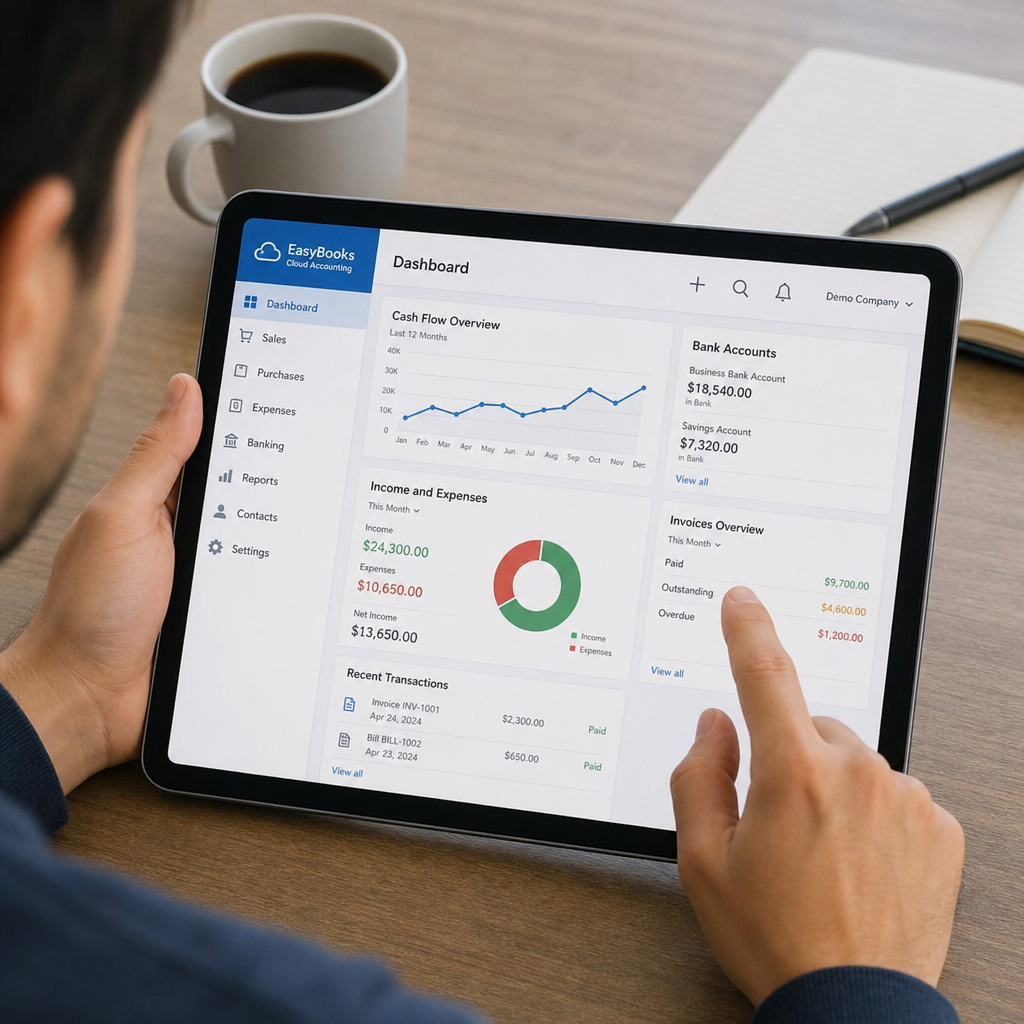
To track all of this seamlessly, you must abandon manual spreadsheets. Investing in the best accounting software for managing company finances—such as QuickBooks Online, Xero, or FreshBooks—will automate your invoicing, seamlessly reconcile your bank transactions, and instantly generate the financial reports we discussed earlier.
The Ultimate Investment: Yourself
Ultimately, the most powerful tool in your arsenal is your own knowledge. Committing to lifelong financial literacy will empower you to sit at the table with investors, accountants, and lenders with total confidence.
Managing business finances may seem daunting at first, but it is entirely a learned skill. By creating a strict budget, guarding your cash flow, strategically leveraging debt, and relentlessly tracking your KPIs, you will transition from merely surviving to building a robust, highly profitable enterprise.
Q&A
Question: How do I build a practical first budget and keep business spending organized?
Short answer: Start with a phased approach: identify fixed costs (rent, insurance, salaried payroll), estimate variable costs (raw materials, shipping, commissions), project revenue using market research or historical data, and add a contingency buffer for surprises. To keep spending clean and visible, open a dedicated business bank account immediately and use corporate cards so every expense is tracked and separated from personal finances.
Question: What’s the difference between the income statement and the balance sheet, and how do they help me spot problems?
Short answer: The income statement (profit and loss) shows revenues and expenses over a period and tells you if you’re making money. The balance sheet is a point-in-time snapshot of assets, liabilities, and owner’s equity—your overall financial position. Reading both together helps you catch “leaks”: for example, rising expenses squeezing profit on the income statement or too much tied up in inventory or receivables on the balance sheet that could strain cash.
Question: How can I avoid a cash crunch and optimize working capital?
Short answer: Move cash in faster and out slower without harming operations. Invoice as soon as work is done, offer small early-payment discounts (e.g., 2% for payment within 10 days), and negotiate supplier terms like net-60 or net-90. Optimize working capital by holding just enough inventory to meet demand and collecting receivables faster than you pay payables. Reinforce this with cost controls: audit subscriptions, renegotiate vendor contracts annually, embrace remote work to lower overhead, and automate repetitive admin tasks.
Question: How should I choose between debt and equity financing, and match funding to my needs?
Short answer: Match duration first: use short-term funding for short-term needs (e.g., seasonal inventory) and long-term financing for long-lived assets (e.g., equipment, facilities). Then choose a source: bootstrapping, venture/angel, crowdfunding, or traditional bank lending. Debt lets you keep ownership and often offers tax-deductible interest, but requires regular payments that can pressure cash flow. Equity brings cash and connections without monthly repayments, but dilutes ownership and decision-making. Pick the option that supports growth while preserving the cash flexibility your plan requires.
Question: How do forecasting, break-even analysis, and KPIs guide smarter growth and investment decisions?
Short answer: Forecasting uses your historical data, market trends, and economic indicators to project revenue and expenses so you can hire, adjust marketing, and anticipate cash gaps early. Before launching offerings, calculate break-even: fixed costs divided by (sales price per unit minus variable cost per unit) to know how many units you must sell to cover costs. Track core KPIs—gross profit margin, net profit margin, customer acquisition cost (CAC), and quick ratio—to gauge health. Once you’re consistently hitting targets and generating surplus cash, reinvest in high-ROI areas like upgrading your tech stack, entering new markets, or placing reserves in short-term, low-risk corporate bonds to outpace inflation.